
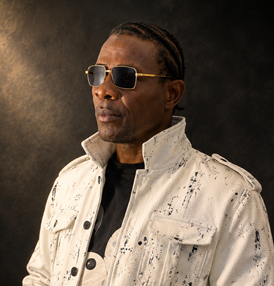
Ghanaian musician Sugar Ranking has expressed concern about the current state of the Ghanaian music industry, describing it as a system that increasingly benefits a small group of established stars while leaving many talented artistes struggling for survival.
Speaking in an interview with Facetvnews.com, the artiste argued that the digital revolution, while creating opportunities for music distribution and promotion, has also widened the gap between successful artistes and emerging talents.
According to him, the industry is witnessing what he describes as a “geographic accident,” where a few already-established artistes continue to dominate public attention, media coverage and digital platforms while countless talented musicians remain largely invisible.
“The rich are getting richer and the poor are getting poorer,” Sugar Ranking said. “The digital age has favoured a few A-list artistes, but if the system is not structured in a way that encourages those at the top to invest in others, the gap will continue to grow.”
He explained that one of the industry’s biggest challenges is the widespread perception that music is purely a competition rather than a collaborative profession and business ecosystem.
According to the artiste, a quick look at entertainment news websites and social media platforms reveals that only a handful of popular names consistently dominate headlines, interviews and promotional campaigns.
“If you check the internet today, you will see that most entertainment stories revolve around the same few artistes. Tomorrow it may change slightly, but the pattern remains the same,” he stated.
Sugar Ranking believes the absence of strong and reputable record labels is also contributing to the industry’s difficulties.
He noted that many successful music industries around the world rely on record labels, management structures, talent development programmes and investor support systems that help discover, nurture and market new talents.
In Ghana, however, he argues that such structures remain weak or underdeveloped.
“A system where you cannot find strong record labels will naturally face challenges. Investors want to see organisation, professionalism and long-term business potential before committing resources,” he explained.
The musician further stated that the industry has become fragmented, making it difficult for investors to identify opportunities and support emerging talent.
He called for greater collaboration among artistes, producers, promoters, media platforms and stakeholders to create a more sustainable environment that benefits both established and upcoming musicians.
According to him, music should be viewed not only as entertainment but also as a serious profession capable of generating employment, attracting investment and contributing significantly to Ghana’s economy.
“We need to centralise, organise and realise that music is a profession. Until we begin treating it as a structured industry rather than a collection of individual competitors, many talented people will continue to disappear despite having the potential to succeed,” he said.
His comments have reignited discussions about talent development, industry investment and the future direction of Ghana’s music sector as stakeholders continue to search for ways to make the industry more inclusive and sustainable.
As digital platforms continue to reshape how music is consumed and promoted, many industry observers believe the conversation around investment, mentorship and institutional support will become increasingly important for the next generation of Ghanaian artistes.