
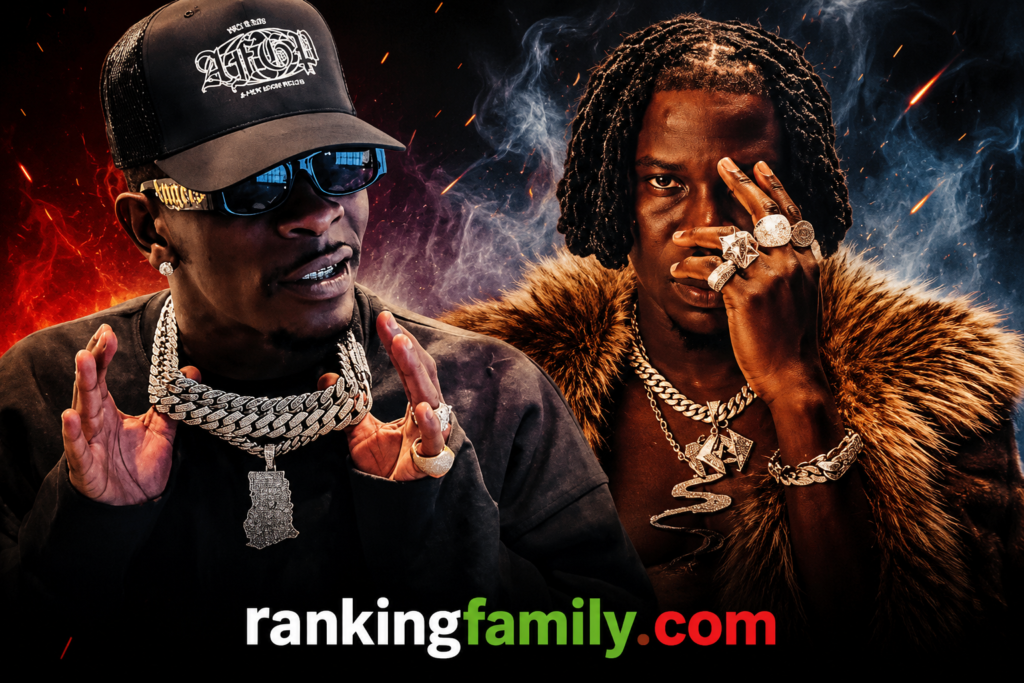
A fresh controversy involving Stonebwoy and a supporter linked to Shatta Wale has ignited heated debate across Ghana’s entertainment scene, with social media users arguing over celebrity influence, fan loyalty, and the growing toxicity of online fan wars.
The issue began trending after reports and online claims suggested that a fan associated with Shatta Wale’s camp was allegedly arrested following comments or actions connected to ongoing tensions between supporters of the two rival dancehall stars. While details surrounding the incident remain heavily debated online, the controversy quickly spread across TikTok, Facebook, X, and entertainment blogs.
Supporters of Shatta Wale accused Stonebwoy and his camp of using influence unfairly against critics and rival fans. Some online users described the situation as an example of how celebrity power can allegedly intimidate ordinary supporters who express strong opinions online.
However, Stonebwoy’s supporters strongly rejected those accusations. Many argued that if any arrest actually occurred, law enforcement would have acted based on complaints, evidence, or public-order concerns rather than celebrity influence alone. Others insisted that online harassment, threats, and defamatory attacks should not be excused simply because they happen within fan culture.
One comment circulating online stated:
“Fans think social media is lawless until consequences arrive.”
Another opposing reaction read:
“Celebrities should calm their fan bases instead of escalating tensions.”
The incident has once again exposed the deep rivalry between the Bhim Nation and Shatta Movement fan bases — one of the most intense entertainment rivalries in Ghanaian music history. Over the years, supporters of both artists have regularly clashed online over awards, streaming numbers, concert success, and public influence.
Entertainment analysts believe the situation reflects a larger issue within modern celebrity culture. Fans increasingly defend artists with emotional intensity similar to political loyalty or football club rivalry. Social media has amplified these divisions, allowing small disagreements to escalate into national entertainment drama within hours.
Some observers also believe celebrities themselves indirectly benefit from fan wars because controversy keeps their names trending online. Others argue the situation is becoming unhealthy and damaging to Ghana’s entertainment image.
Another major debate centers on responsibility. Should artists publicly discourage toxic fan behavior more aggressively? Or are fans individually responsible for their own actions online?
A media commentator in Accra noted that:
“Fan culture in Ghana music is becoming more aggressive because social media rewards outrage and conflict.”
The controversy has also triggered discussions about freedom of expression. Some social media users worry that criticism of public figures could increasingly lead to intimidation or legal pressure, while others argue that online abuse and threats should never be normalized under the excuse of fandom.
For now, confusion and speculation continue to dominate the conversation because verified details remain limited. Yet the story continues trending because it touches on several emotional issues at once: celebrity power, fan identity, freedom of speech, and the growing influence of online culture in Ghanaian entertainment.
Whether the claims are eventually clarified or not, one thing is certain: the rivalry between Stonebwoy and Shatta Wale supporters remains one of the strongest forces driving engagement, controversy, and nonstop debate in Ghana’s music industry.